The law of land theft
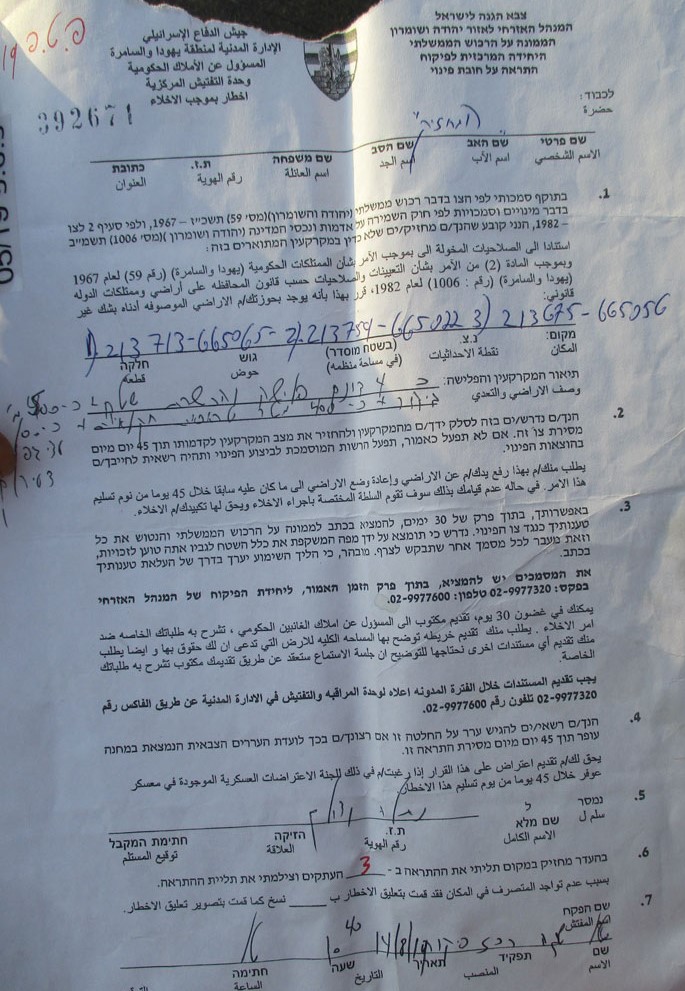
In 1982, Israeli occupation authorities declared 1250 dunums (308 acres) of Farkha’s land, in an area called Batin, “state land.” Occupation authorities have used state land to legalize the theft of land from Palestinians since the 1970s. Today, 22% of the total area of the West Bank is state land.
Destroying the land
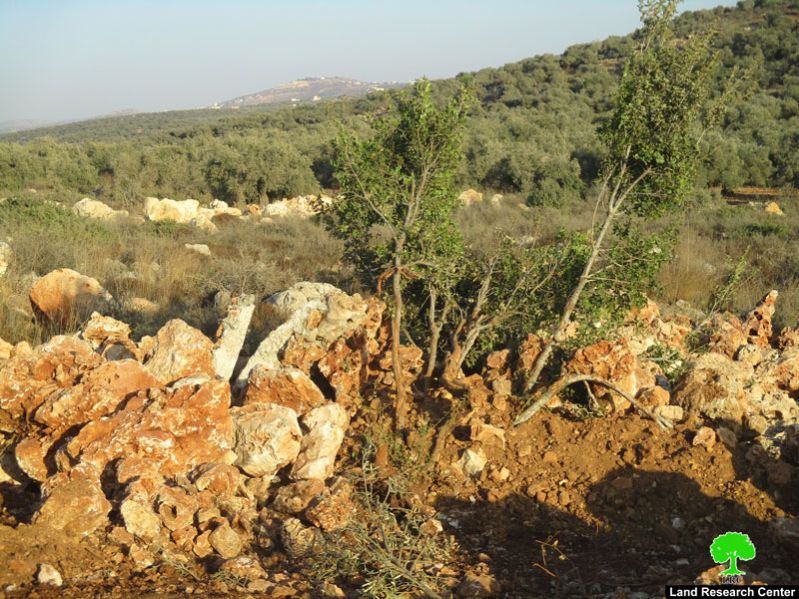
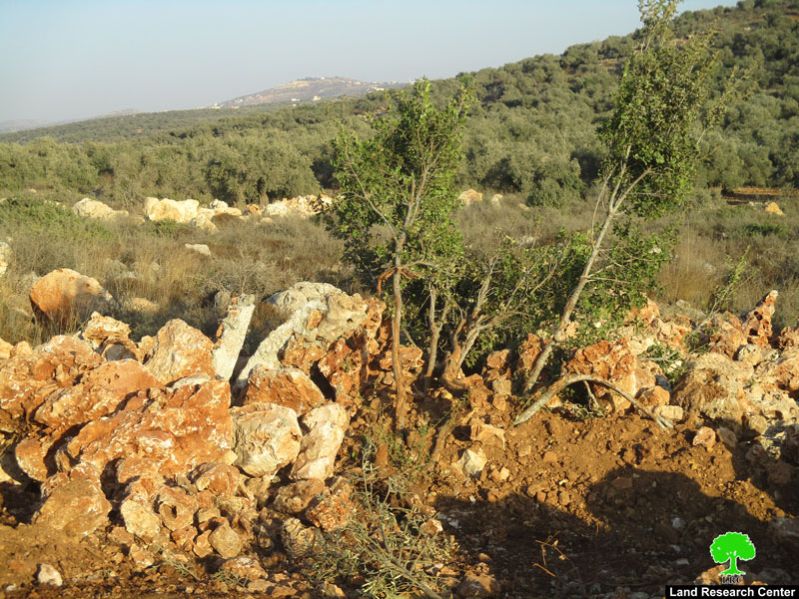
On October 7, 2019, Israeli occupation forces, accompanied by a government property officer, bulldozed ten dunums of agricultural land in the western Batin area. They destroying around 100 olive, grape, and fig trees, as well as an iron gate, fence, stone walls, and a well that was under construction. This land is owned by Hassan Abdullah Hassan Hajjaj who supports a family of five. A military order was issued demanding that Hajjaj evacuate part of this land under the pretext that was government property.
Colonial Expansion
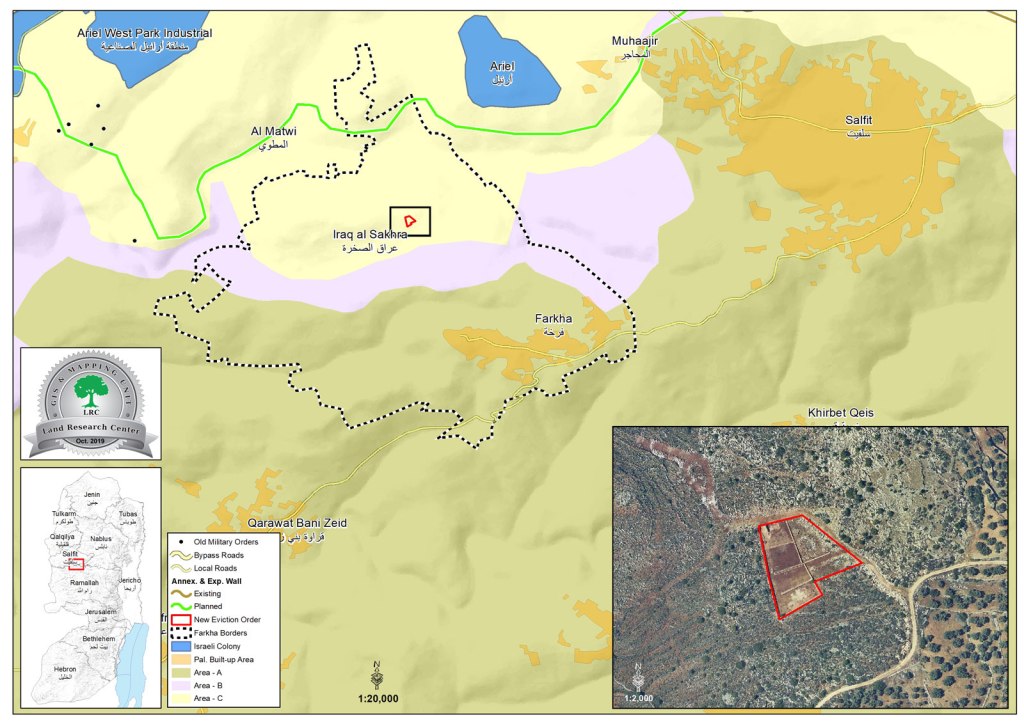
Map of the threatened area in Farkha.
In 2021, planning scheme (5/3/130) was announced, aiming to expand the Ariel settlement and construct roads for settlers. Ariel was built in 1978 on land belonging to the surrounding Palestinian villages and towns, and today is one of the largest settlements in the West Bank. This most recent expansion includes seizing land in surrounding mountainous areas, further fragmenting agricultural land and threatening the sector.
Land Defense
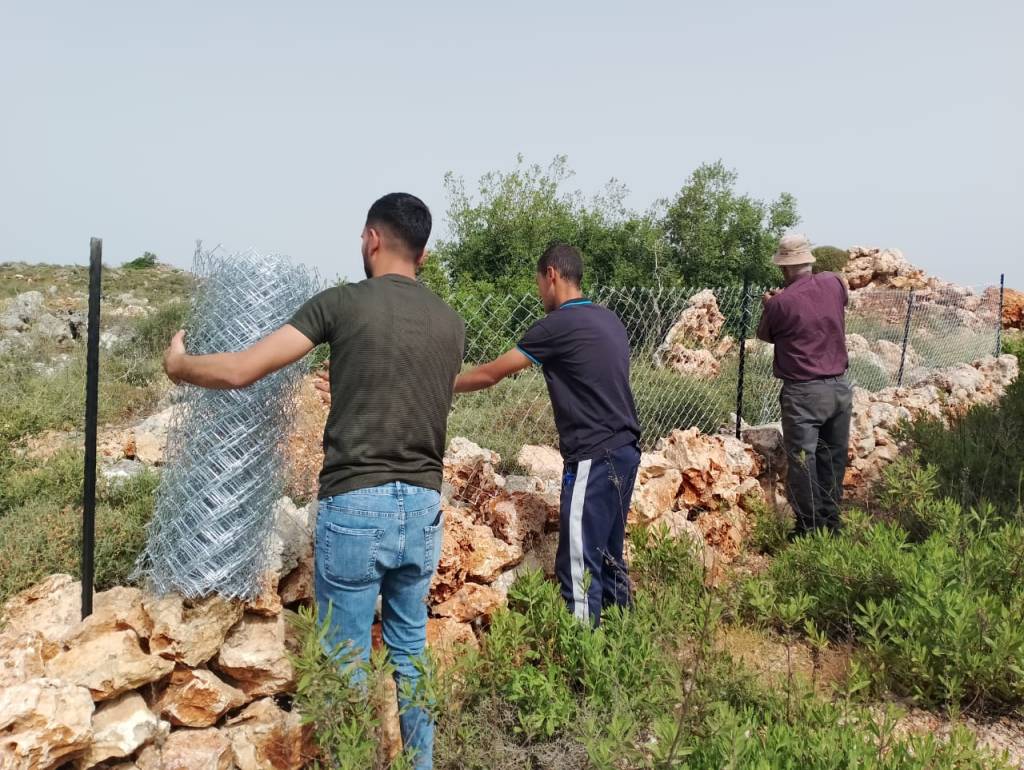
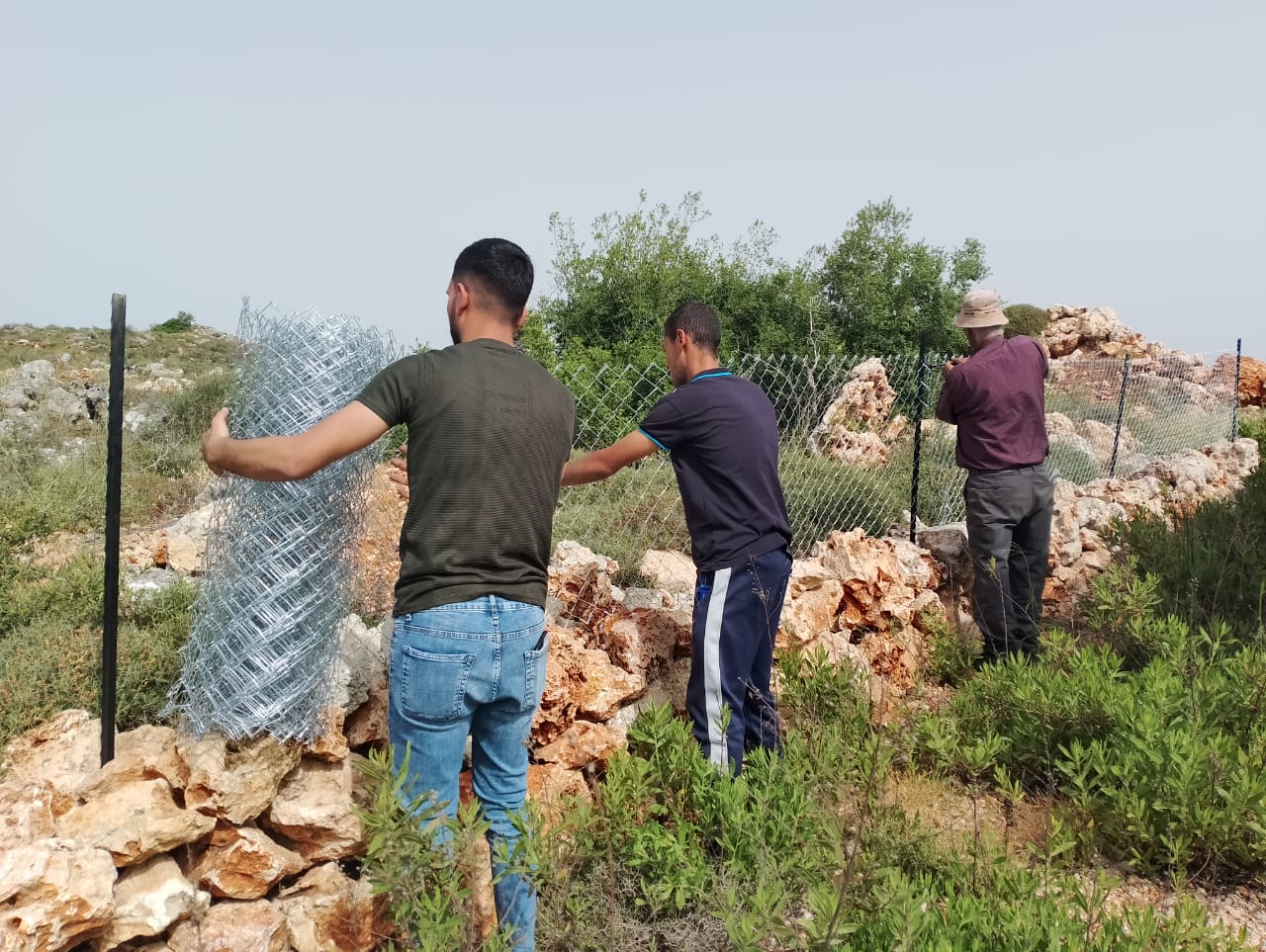
Early in 2022, Farkha’s youth launched the volunteer cooperative “The Land is Ours,” aiming to reinforce the villagers’ presence in the confiscated Batin area to protect their land from settlement projects. They successfully planted over 800 olive trees and began fencing 20 dunums.
Settler attacks
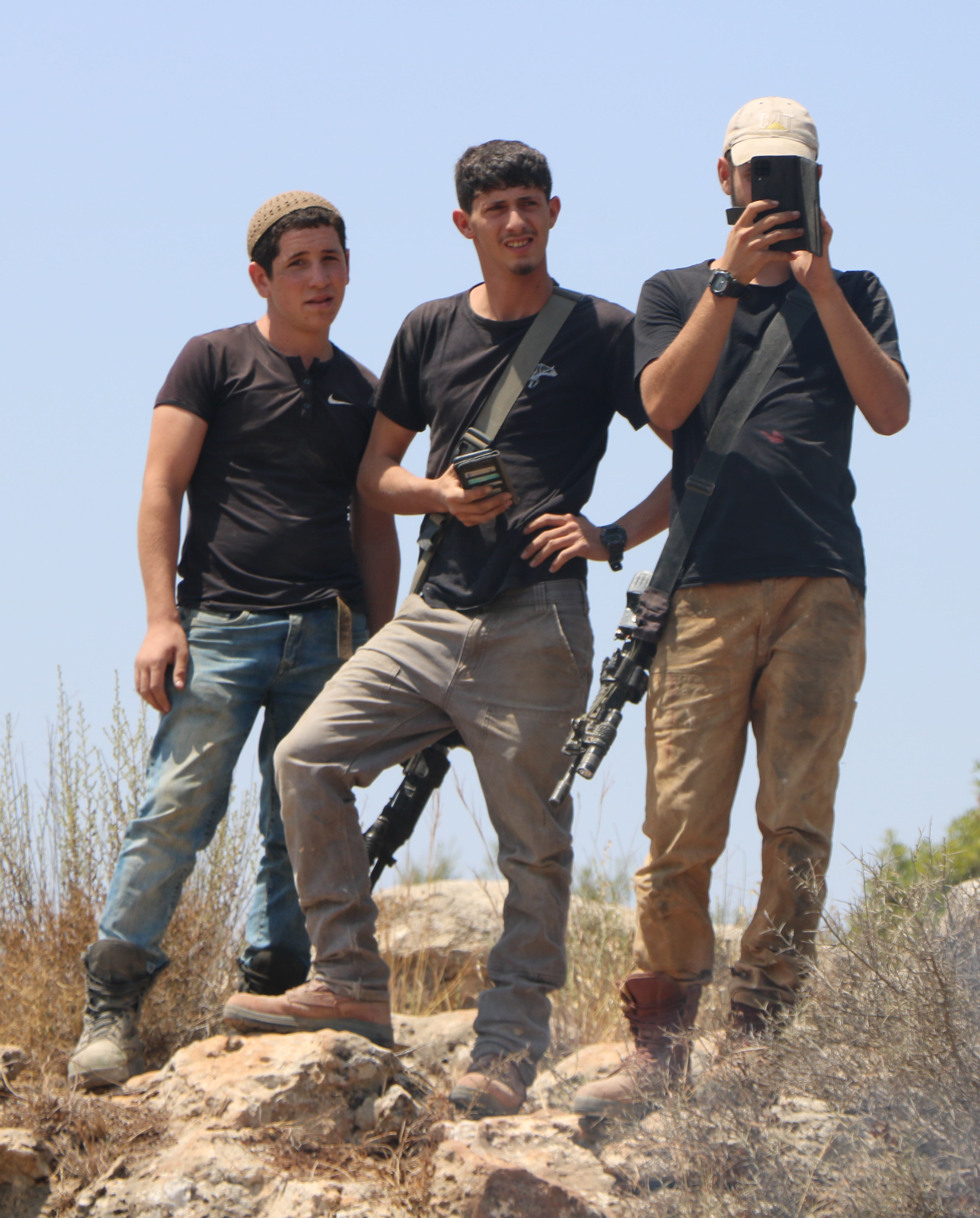
However, in August 2023, settlers attacked, stealing the protective fencing. A planned eco-tourism project, the Olive and al-Hajal Trail, connecting Farkha and Batin, culminating in a 3-dunum public park, was halted due to settler threats and attacks under the protection of occupation forces.
Building the road
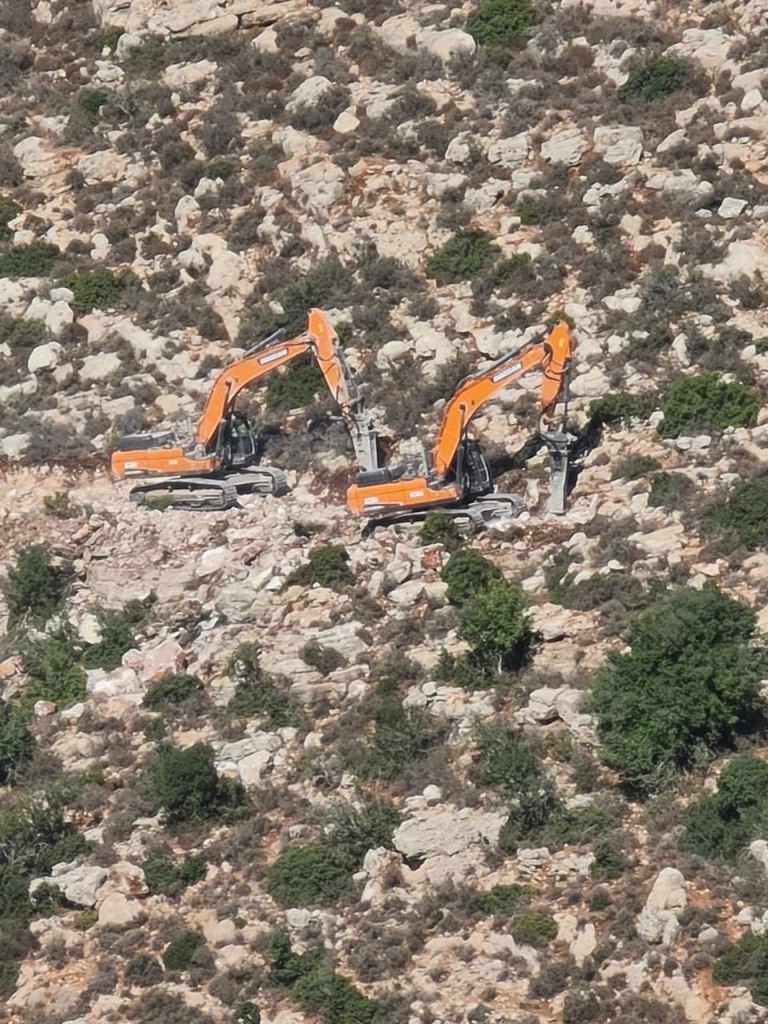
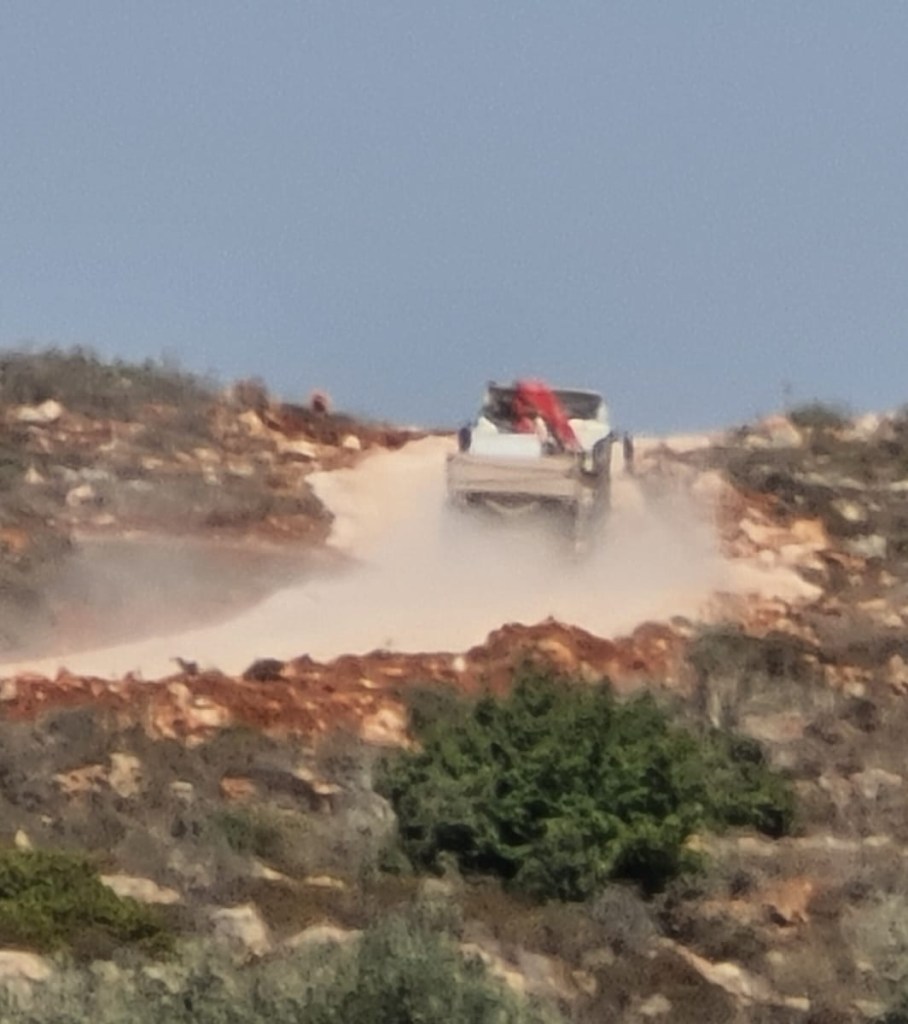
Heavy machinery opening the settler road in the Batin area.
On October 29, 2023, settlers carved a new road in Batin, north of the village, uprooting 12 mature olive trees and destroying dozens of dunums belonging to villagers. This is part of a broader strategy to consolidate settlement presence.
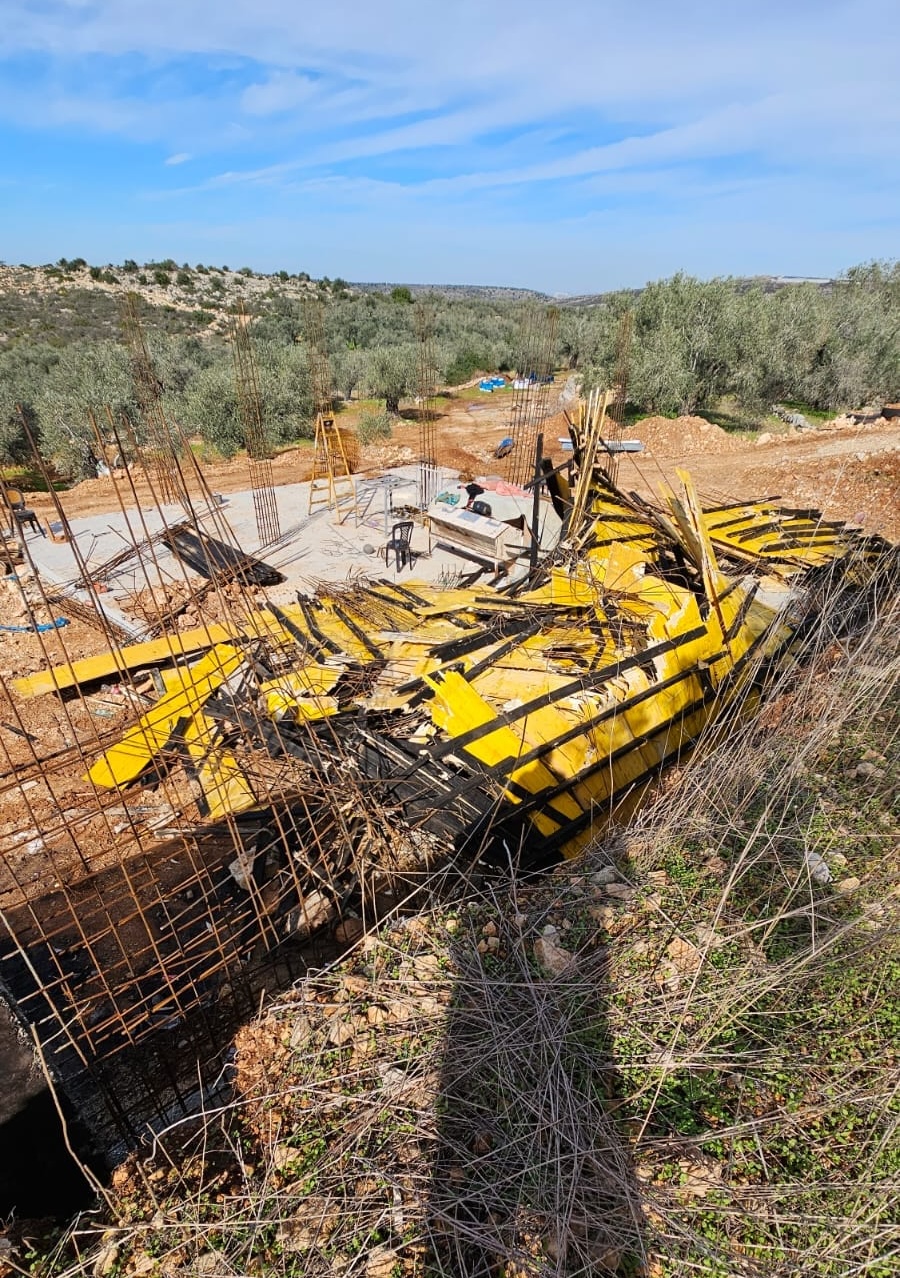
On December 16, 2023, occupation forces demolished a house that was under construction and confiscated an excavator in an area next to al-Batin, called al-Manqa. Al-Manqa is in Area B, and technically under the jurisdiction of the Palestinian Authority.
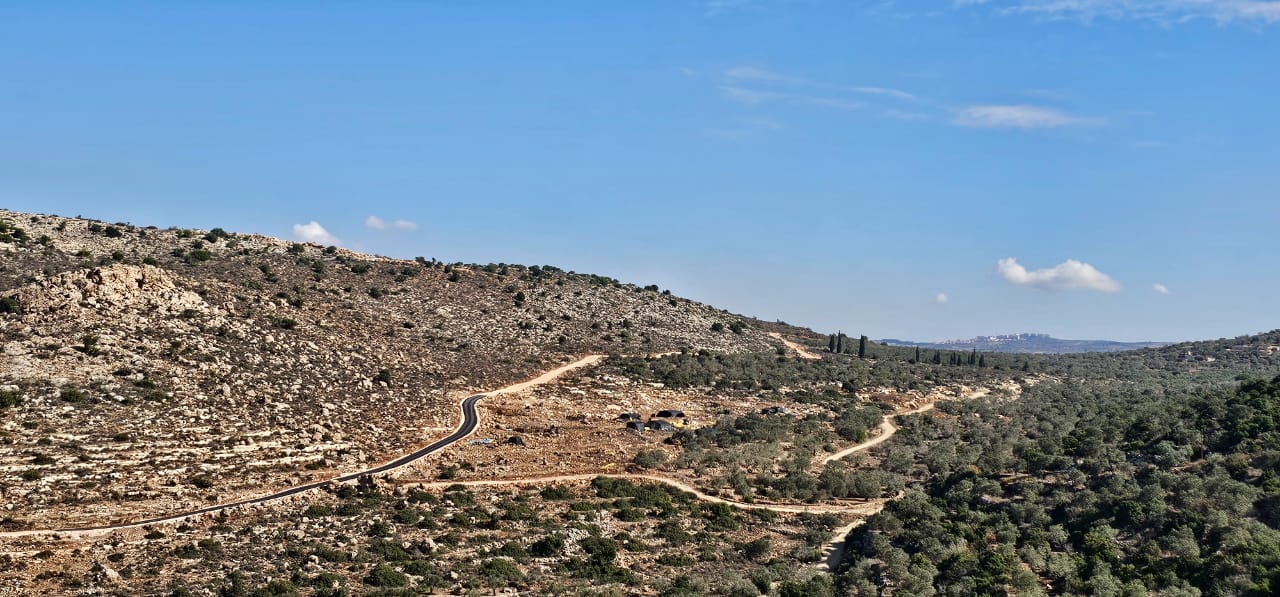
Bulldozing continued, and on October 6, 2024, bulldozers paved a settlement road spanning through 165 dunums. These new roads connect the settlement to the Israeli road network, threatening numerous agricultural lands.
A New Colonial Settlement
On October 22, 2024, a new settlement outpost was established in al-Batin under army protection. Construction materials and containers were moved to the site, extending the settlement expansion strategy. Located at the top of al-Batin mountain, this outpost covers 1250 dunums.
The next day a group of settlers, under the protection of the army, expelled a family that was picking olives in the area. The settlement will dispossess farmers of 800 dunums of mature olive groves, posing a grave threat to the local agricultural community.
Expulsion
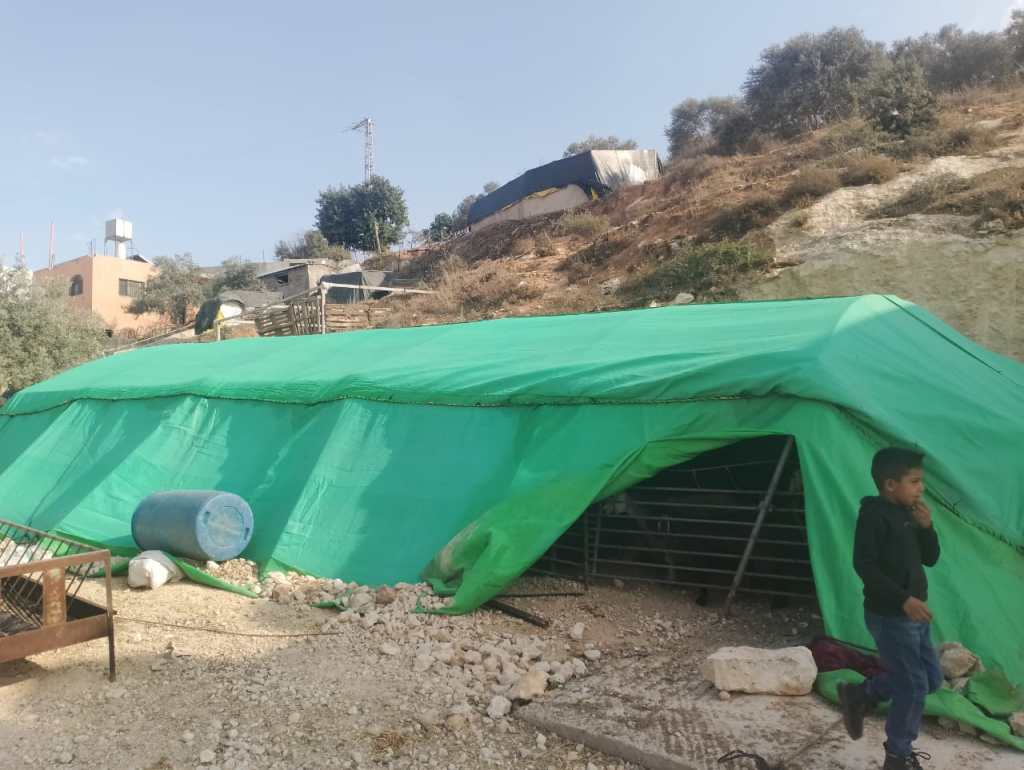
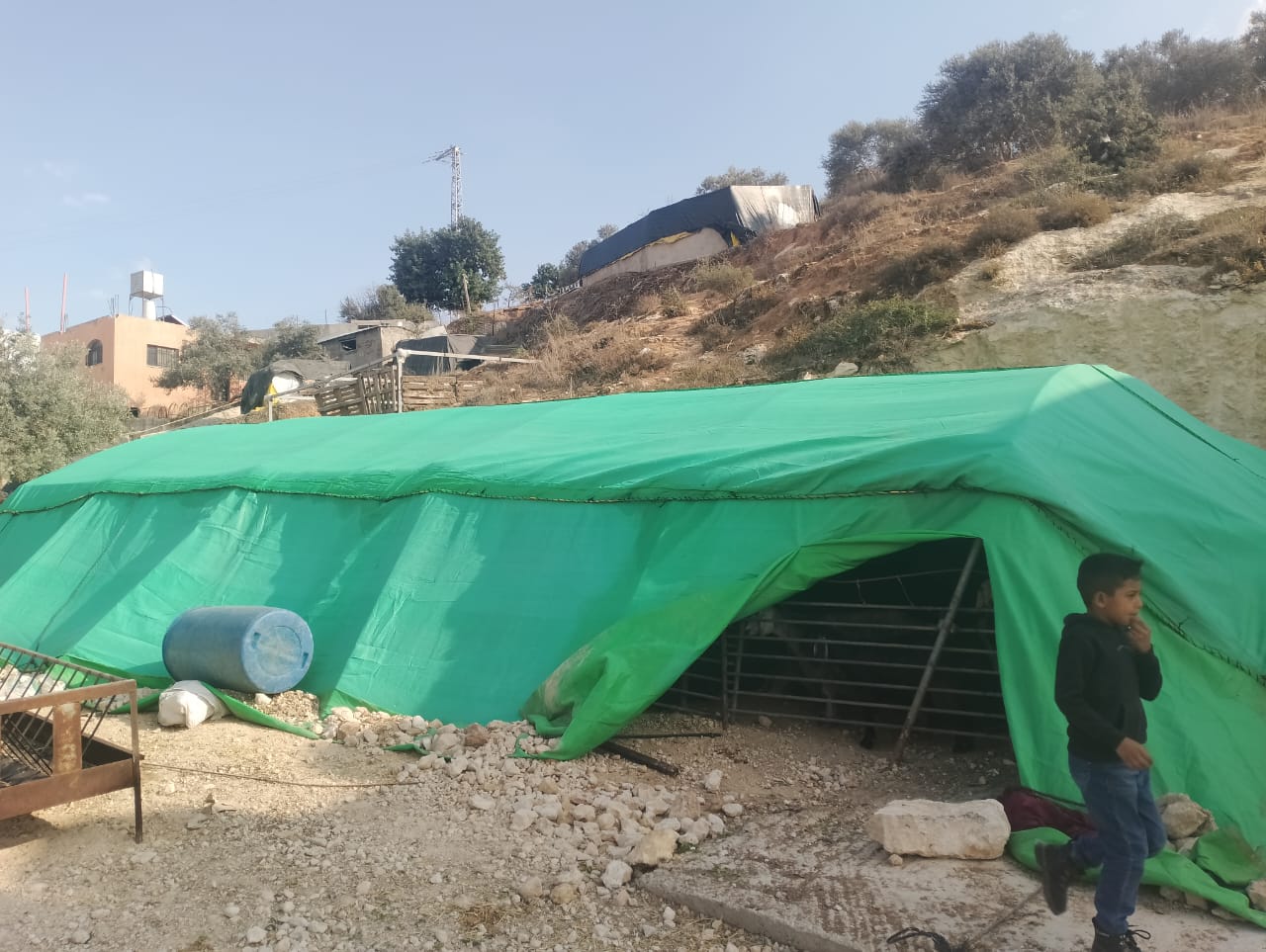
On November 11, 2024, three Bedouin families living in the area were given two weeks to evacuate. The community was evicted.
 Farkha Calls You